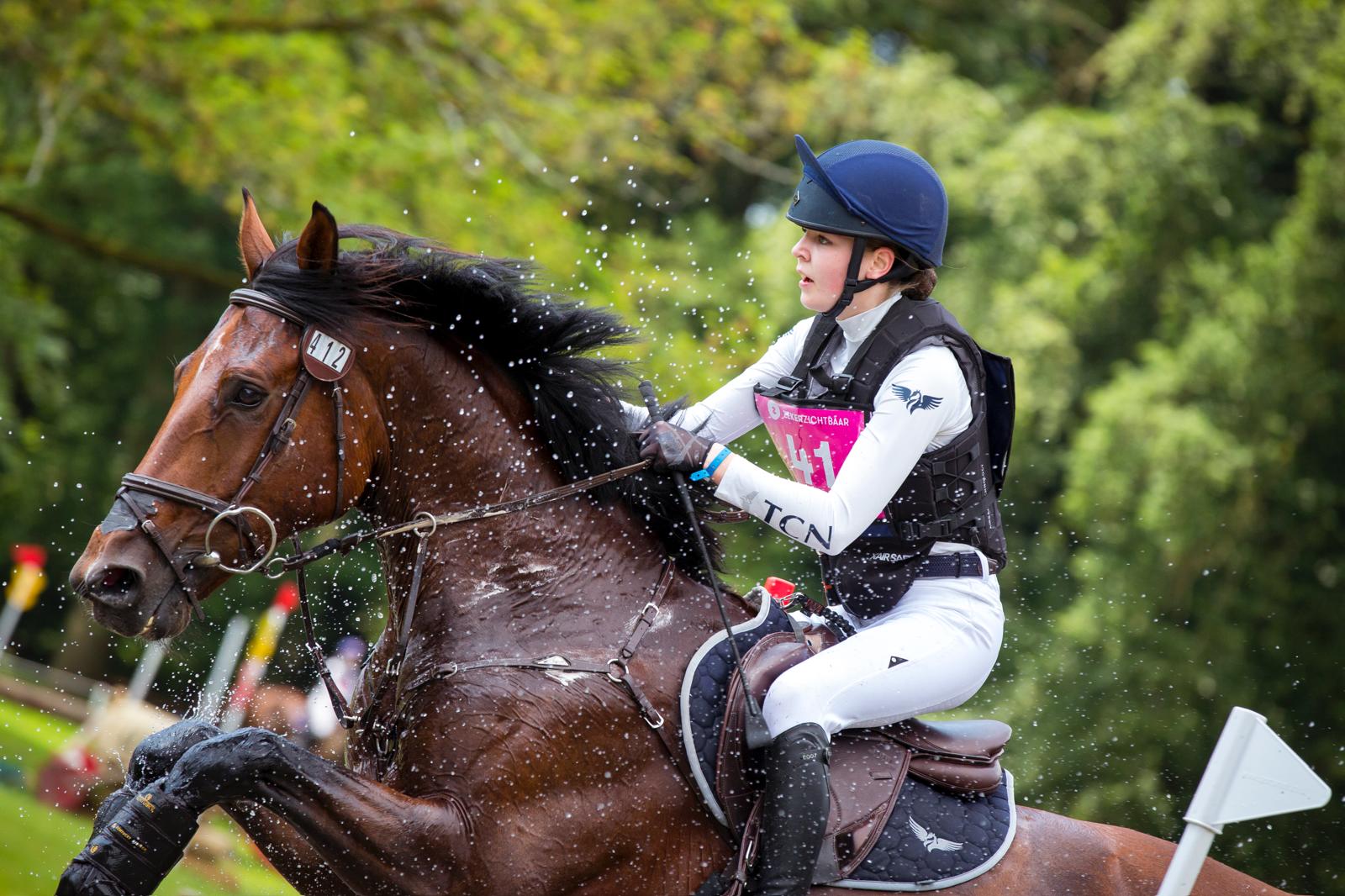
In equestrian sport, especially eventing, the difference between fit to start and ready to compete is more than semantics. It’s a fundamental shift in how we assess, prepare, and safeguard the horse athlete.
Veterinary checks focus on whether a horse is fit to start: sound, free from acute injury, and not presenting immediate welfare risks. While essential, this definition is narrow. It clears the horse for participation, but it does not tell us whether the horse is capable of sustaining high-level performance across multiple disciplines and a demanding competition calendar.
Let’s discuss ready to compete. This concept goes beyond absence of lameness or acute illness. It benchmarks a horse’s biomechanical, physiological, and mental readiness to deliver performance safely, consistently, and sustainably.
The Ready2Compete Framework
Defining readiness around five pillars:
- Locomotion Quality
- Key parameters: stride length, stride ratio, balance (lateral & longitudinal), and gait regularity.
- Benchmarking: The horses individual benchmarks are hit in the last 5 trainings before competition.
- Jump Dynamics
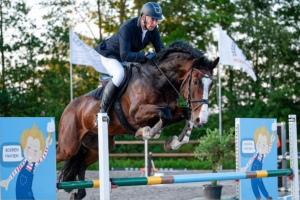
- Key parameters: balance in approach and take-off, landing balance, and stride length after landing.
- Benchmarking: At competition, indicators of early fatigue, or injury are monitored.
- Energy and Propulsion
- Monitoring changes in stride force and energy expenditure over time.
- Benchmarking: A sustainable profile shows stable energy trends, with no steep slope of decline across competition phases.
- Fatigue Sensitivity
- Early fatigue is detectable biomechanically before it becomes visible clinically (Burger et al., 2023).
- Benchmarking: Ready horses maintain consistency in stride parameters into Q3 and Q4 of cross-country.
- Contextual Readiness
- Includes horse’s recovery metrics (heart rate, lactate) and training trajectory (volume, intensity, and load management).
- Benchmarking: A horse may be fit to start physiologically but not ready to compete if training load did not build sufficient tolerance to the competition profile.
From Fit to Start to Ready to Compete
- Fit to Start = Minimal welfare threshold. Horse is not acutely lame, ill, or compromised.
- Ready to Compete = Comprehensive readiness benchmark, integrating biomechanical, physiological, and contextual indicators to protect welfare and enhance performance.
In our recent competition caseworks, the difference was striking. Horses that cleared vet checks (fit to start) showed clear biomechanical fatigue signs in the final third of cross-country. Stride length shortened by >5%, longitudinal balance range increased, and speed smoothness declined. These horses might have finished, but the data revealed a heightened risk of injury and reduced recovery margins.
In contrast, horses flagged as ready to compete maintained stable stride profiles across phases, landed with balanced mechanics even after demanding combinations, and demonstrated controlled energy expenditure. These profiles align with sustainable long-term development.
Why This Matters
Equestrian sport has a responsibility to evolve alongside other high-performance sports, where athlete monitoring is already non-negotiable. In football, cycling, or athletics, no one speaks only of “fit to start”—they monitor readiness to perform. Horses deserve the same.
Moving from fit to start to ready to compete:
- Protects welfare by detecting early signs of fatigue and overload.
- Improves performance by aligning training loads with competition demands.
- Provides transparency for riders, trainers, and governing bodies.
References
- Burger, D., et al. (2023). Biomechanical fatigue detection in eventing horses. Equine Veterinary Journal.
- Pfau, T., et al. (2016). Locomotion asymmetry and objective gait assessment in horses. The Veterinary Journal.
- Visser, E. K., et al. (2019). Monitoring equine performance and welfare: physiological and behavioral measures. Animals.
- Allen, K. J., et al. (2021). Sports science approaches to horse performance monitoring. Frontiers in Veterinary Science.
👉 At CJL, our mission is simple: bringing human-level sport science to equine athletes. Because being fit to start is not enough—our horses deserve to be ready to compete.