
Why Consulting Your Veterinarian Should Be the First Step
Often, and more often in the recent time, I am asked from clients: Do I need to consult a veterinarian first?
And the answer is a resounding yes.
Veterinary consultation is crucial because osteopathy and physiotherapy serve as complementary measures, not replacements, for veterinary care. Therefore, if you want a short and correct answer: Always seek a veterinarian’s approval before pursuing comprehensive therapies. Good and qualified veterinarians and physiotherapists collaborate and work alongside to ensure the best treatment for your horse.
Why the Vet Comes First
- Comprehensive Diagnosis: Veterinarians are trained to diagnose a wide range of health issues that might not be immediately obvious. They can identify underlying conditions that effect the locomotion and may require specific treatments.
- Safety First: Some conditions may be exacerbated by certain therapies. A veterinarian can provide guidelines to ensure that any complementary treatment is safe and suitable for your specific needs.
- Treatment Coordination: Vets can coordinate different treatments, ensuring that medications, therapies, and other interventions work synergistically rather than counteracting each other.
When Other Services Are Beneficial
While the veterinarian should be your first point of contact, there are scenarios where additional services play a vital role, especially in preventive care. As a qualified rehabilitation specialist and performance diagnostician, I offer a range of services aimed at preventing injuries and maintaining optimal health.
These services include:
- Performance Diagnostics: Assessing the current performance levels of your horse to create a tailored training plan. This proactive approach ensures your horse remains in peak condition and helps prevent injuries. This can focus on stamina and endurance for eventing horses, but also the strength and technical development satte of a jumping horse.
- Check-Ups: Regular check-ups with a practitioner can identify functional issues before they become significant problems. Early detection allows for timely interventions, keeping your pet healthy and active. Many of my clients schedule an annual consultation that includes regular checks ups, also monitoring through objective data is an option that I offer.
- Bodywork: Focused on enhancing both mental and physical well-being, wellness treatments can include craniotomy sacral treatments, massages, relaxation therapies, and other methods to reduce stress and promote overall health.
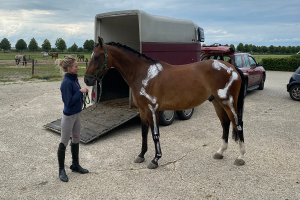
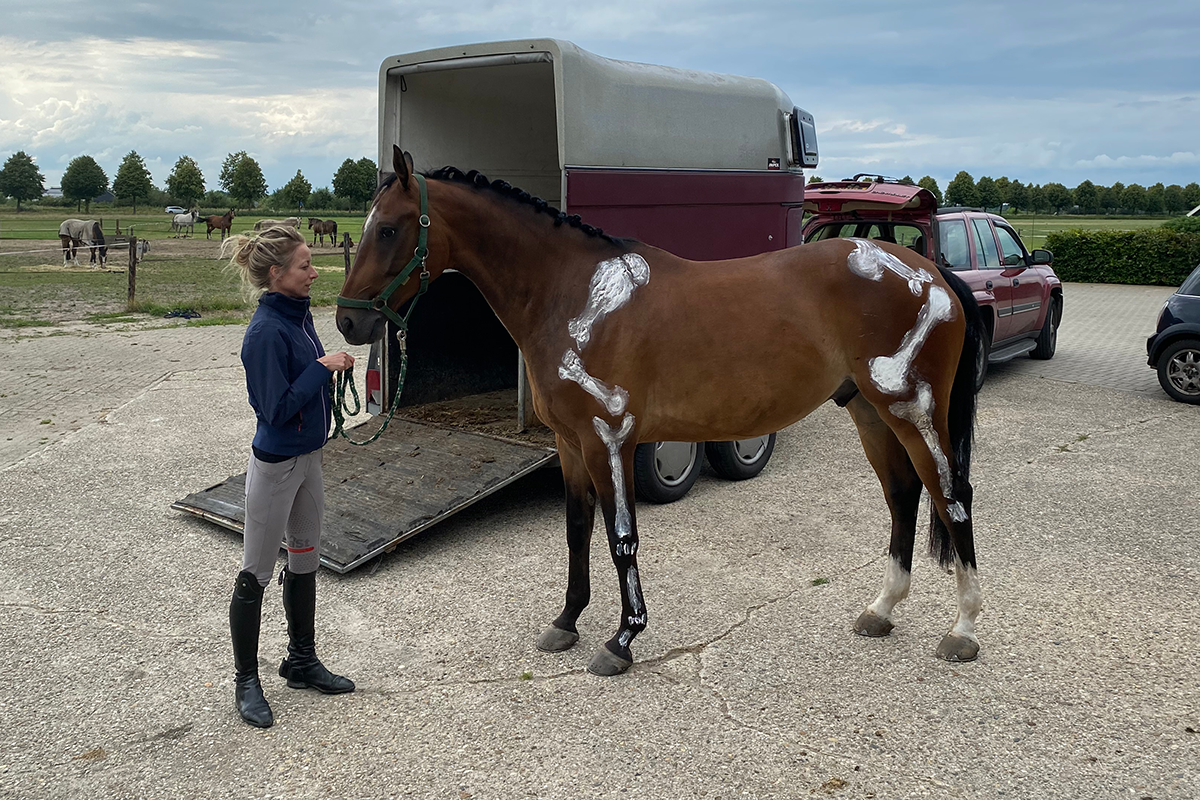
- Supportive Taping: For horses in rehabilitation or expected to undergo high levels of physical stress, supportive taping can help mitigate the impact, providing stability and reducing the risk of injury. Also, rehabilitation training after not optimal muscle development can be effectively supported by tools like functional taping or the DIPO trainer.
- Physiotherapeutic Training: Addressing natural imbalances and asymmetries through targeted exercises can prevent long-term issues. Physiotherapeutic training helps in maintaining a balanced and efficient movement pattern, crucial for your horses’s longevity and quality of life. Every treatment is followed up with training advice – if you want.
In case, your intention is to to prevent injuries, or you want to level up your training through performance diagnostics, load monitoring, and bodywork consultation – the physio / osteopathy may be your initial contact partner.
Take Out
In summary, if you are concerned about your horse’s health, always consult your veterinarian first to ensure any complementary treatments are appropriate. Once you have the green light, incorporating preventive and comprehensive services can significantly enhance your horse’s health and performance, and boost the rehabilitation phase. Combining veterinary expertise with specialized rehabilitation and preventive care is the way to go.
In case of the very unfortunate case that you ran into problems because your vet or your physio seem to dislike the other discipline? Therefore, I may share my experience: A practitioner that questions the value of collaborative veterinarian and physiotherapeutic work, may either lack a functional network, or profound expertise.
For more information on our services or to schedule a consultation, don’t hesitate to ping me on WhatsApp.